pseudomembranous colitis in babies
PMC is commonly associated with prior antibiotic exposure and hospitalization. Stool assays showed specimens from all ten patients yielded a cytopathic toxin which was neutralized by Clostridium sordellii.
Newborn Mcq
A wide differential diagnosis should be maintained especially when there are clues that C difficile infection may not be the correct diagnosis.
. The most frequently implicated antimicrobial agents were penicillins in six children and clindamycin in two. Up to 10 cash back A spectrum of nodular haustral thickening and an accordion pattern have been reported as specific features of pseudomembranous colitis PMC in adults. Pseudomembranous colitis PMC is inflammation in your colon that happens when theres too much of certain bacteria in your system.
The most frequently implicated antimicrobial agents were penicillins in six children and clindamycin in two. Pseudomembranous colitis secondary to the administration of antibiotics is a severe potentially life-threatening complication of medical therapy in children. Pseudomembranous colitis is uncommon in children and rare in infants.
Unusual in children however any of the following features are suggestive. Ten cases of antibiotic-associated pseudomembranous colitis in children are reviewed. Diff to grow and infect the lining of the intestine which produces the inflammation.
This review presents the microbiology management and prevention of pseudomembranous colitis PMC in children. Ten cases of antibiotic-associated pseudomembranous colitis in children are reviewed. Pseudomembranous colitis is inflammation swelling irritation of the large intestine.
Evidence of pseudomembranous colitis 2 Intensive care unit requirements 2 Score Disease severity 1 to 2 Mild 3 to 4 Moderate 5 or more Severe Severe CDI. The ages ranged from 4 years to 17 years. PMC is currently believed to be caused almost exclusively by toxins produced by Clostridium difficileThe clinical spectrum of this disease may range from a mild nonspecific diarrhea to severe colitis with toxic megacolon perforation.
The same numbers of C difficile found in adults with pseudomembranous colitis may be present in infants with no obvious adverse effects 3. Using antibiotics can cause the bacterium Clostridium difficile C. Ten cases of antibiotic-associated pseudomembranous colitis in children are reviewed.
PSEUDOMEMBRANOUS COLITIS When pseudomembranous colitis is confirmed endoscopically C difficile infection naturally comes to mind but the two terms are not in-terchangeable. This review presents the microbiology management and prevention of pseudomembranous colitis PMC in children. It is caused almost exclusively by toxins produced by Clostridium difficile.
Prior to the use of broad-spectrum antibiotics PMC was more frequently related with ischemic disease obstruction sepsis uremia and heavy metal poisoning. Clinical Fever more than 385 C rigors. We report a 14-month-old girl who presented with rectal prolapse complicated with.
The potentially devastating nature of the. Pseudomembranous SOO-doe-mem-bruh-nus colitis also called antibiotic-associated colitis or C. The most frequently implicated antimicrobial agents were penicillins in six children and clindamycin in two.
Pseudomembranous colitis a severe inflammation of the inner lining of the large intestine manifests as an antibiotic-associated colonic inflammatory complication. The disease most commonly results from a serious Clostridium difficile infection an increasing nosocomial issue over the last two decades123. However it is becoming more common in people who take antibiotics and are not in a hospital.
It is most often seen in people who are in the hospital. Pseudomembranous colitis in children. The ages ranged from 4 years to 17 years.
In many cases it occurs after taking antibiotics. While all children presented with fever abdominal distention and diarrhea indistinguishable from typical Hirschsprungs. The ages ranged from 4 years to 17 years.
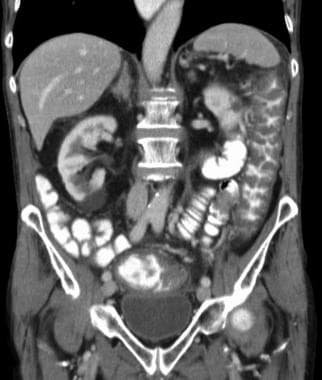
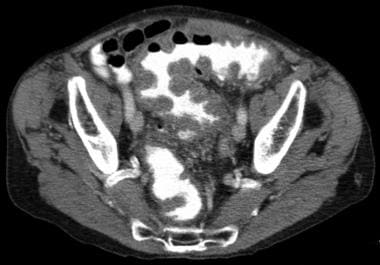
Pseudomembranous colitis PMC occurs rarely in children but its incidences are increasing due to frequent antibiotic use. In four girls and five boys CT scans were. Difficile colitis is inflammation of the colon associated with an overgrowth of the bacterium Clostridioides difficile formerly Clostridium difficile often called C.
Use of medicines that weaken the immune system such as chemotherapy medicines. Pseudomembranous colitis after short-course antibiotics is rare in children. The primary cytotoxin of C difficile toxin B may also be found in these infants but the presence of toxin A which causes intestinal fluid accumulation and mucosal necrosis in hamsters has not been.
Pseudomembranous colitis PMC is a manifestation of severe colonic disease that is usually associated with Clostridium difficile infection but can be caused by a number of different etiologies. A retrospective review of nine patients with PMC was performed to assess whether this spectrum of CT findings also occurred in children. Four cases are reported of pseudomembranous colitis PMC that developed 1 to 18 months mean 8 months after definitive surgery for Hirschsprungs disease Soave endorectal pull-though 2.
Stool assays showed specimens from all ten patients yielded a c. The clinical spectrum of this di. Pseudomembranous colitis PMC is commonly associated with hospitalization and prior antibiotic exposure.
In pseudomembranous colitis the colon becomes inflamed due to an overgrowth of a bacteria called Clostridioides difficile. Stool assays showed specimens from all ten patients yielded a cytopathic toxin which was. Fortunately it occurs rarely despite the ubiquitous use of such drugs as ampicillin penicillin and clindamycin among the pediatric population.
PMC is commonly associated with prior antibiotic exposure and hospitalization. We investigated the incidence and clinical characteristics of.

Clostridium Difficile C Diff Infectious Dis Medbullets Step 2 3
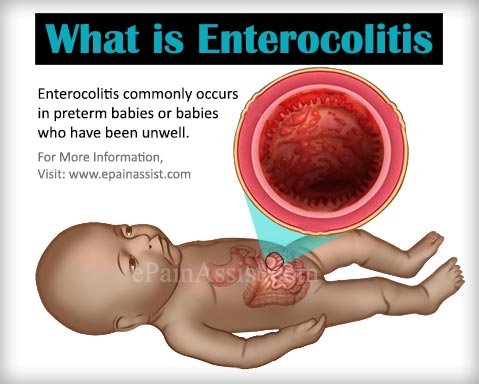
What Is Enterocolitis Causes Symptoms Treatment Diet
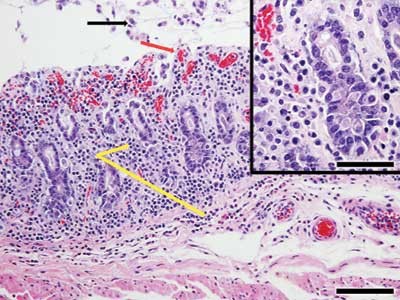
Diagnosis Clostridium Difficile Induced Typhlitis And Colitis Lab Animal
2

References In Necrotizing Enterocolitis Continuing Education In Anaesthesia Critical Care And Pain
2
Clostridioides Clostridium Difficile Colitis Workup Approach Considerations Stool Examination And Stool Assays Endoscopy

Safe Antibiotics While Breastfeeding Important Things To Know
Enterocolitis Frequently Asked Questions

Safe Antibiotics While Breastfeeding Important Things To Know

We Need To Talk About Poo And How It Could Save Your Life
Welcome To The Infant Botulism Treatment And Prevention Program
Clostridioides Clostridium Difficile Colitis Workup Approach Considerations Stool Examination And Stool Assays Endoscopy

Clostridium Difficile Associated Diarrhea American Family Physician
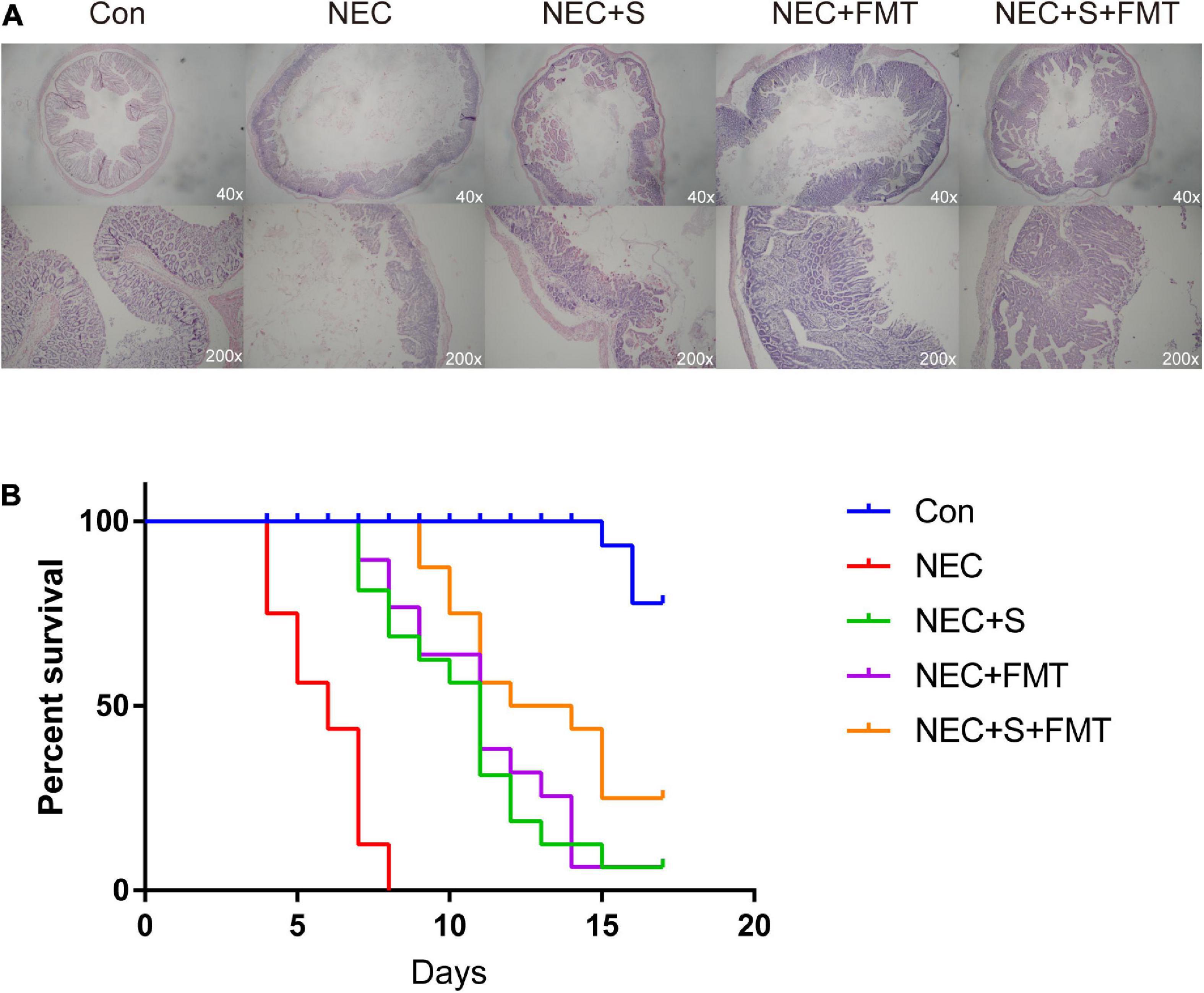
Frontiers Multiomics Study Reveals Enterococcus And Subdoligranulum Are Beneficial To Necrotizing Enterocolitis Microbiology

Enterocolitis Types Symptoms Treatment And Diet
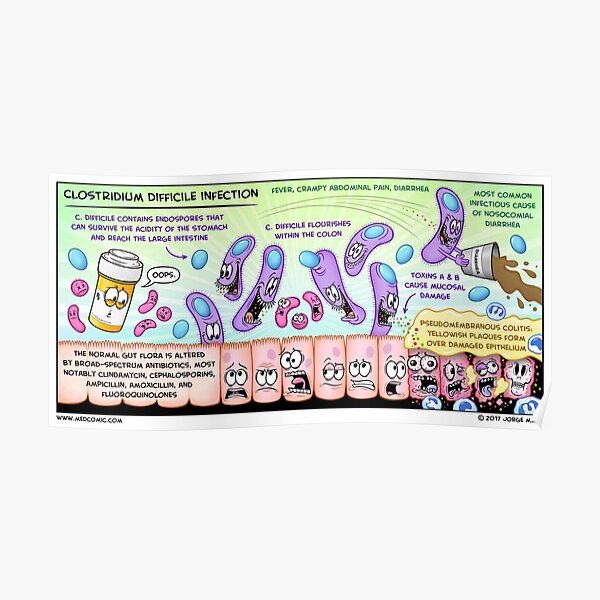
Clostridium Difficile Infection Poster By Medcomic Redbubble
Enterocolitis Types Symptoms Treatment And Diet

Enterocolitis Types Symptoms Treatment And Diet